Hub Feenix uses sociocracy as a way to support communication, responsibility, and collective decision-making within the long-term development of the community.
At the same time, Hub Feenix is not a fully horizontal organisation where every person immediately participates equally in all decisions.
It is stewarded by a smaller core group who hold responsibility for the long-term direction, operations, finances, and practical running of the building and wider community, with a pathway for those who are interested to join the group.
Hub Feenix is structured in layers, allowing people to engage with the community at different depths depending on their time, interest, and relationship to the space. Most people who come to Hub Feenix, whether as residents, artists, volunteers, or nomads, are primarily participating in the everyday life of the community rather than in its governance.
Living here does not require involvement in decision-making structures or sociocratic processes. For many, participation simply means contributing positively to the shared environment and engaging with community life in ways that feel natural.
Over time, some long-term residents become more actively involved in the ongoing development of the community and building, and may choose to engage more deeply with the governance structures of Hub Feenix.
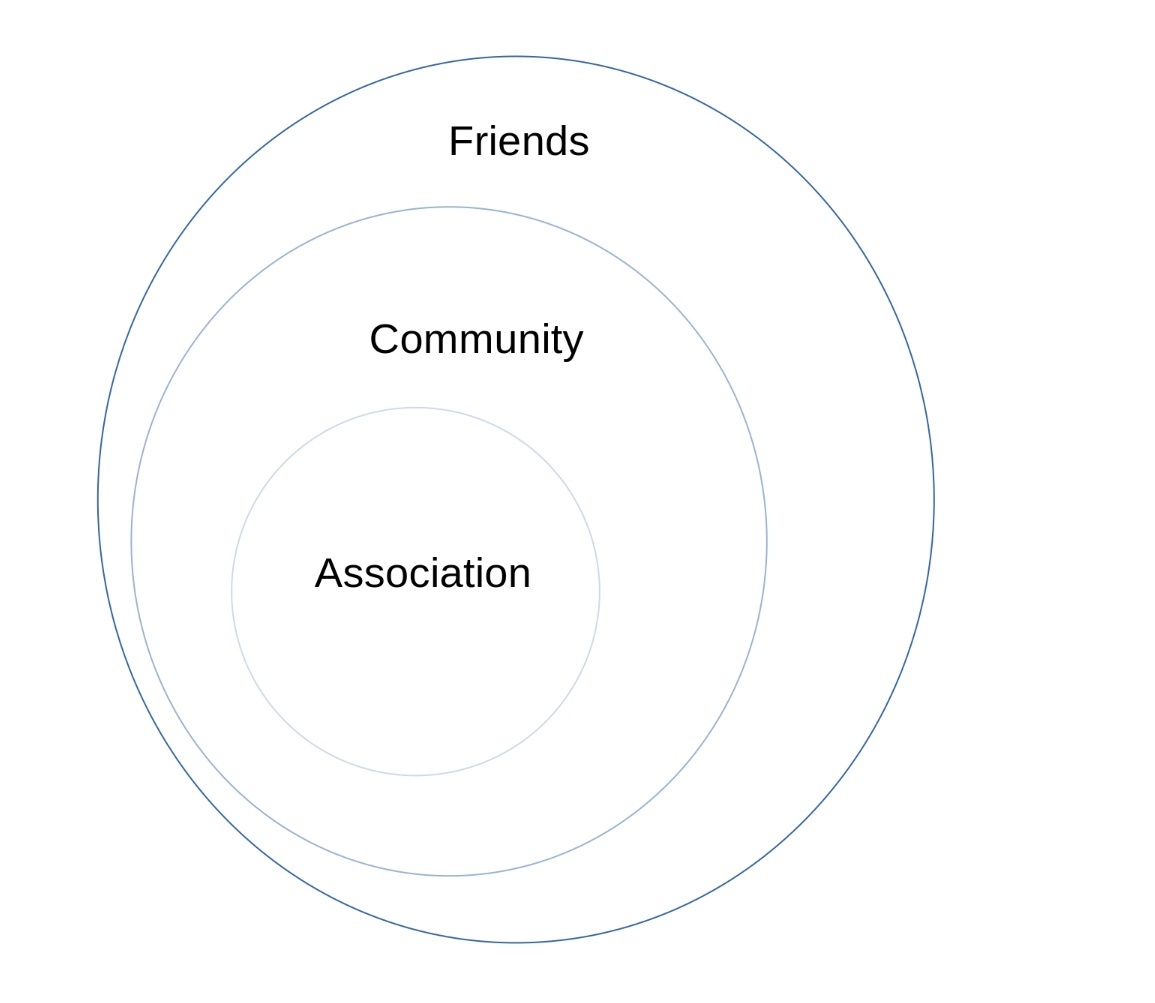
Most people who spend time at Hub Feenix are part of the wider circle of Friends. This includes artists, nomads, volunteers, residents, and visitors who participate in the everyday life of the space through shared living, conversations, and experiences. There is no expectation that Friends participate in governance or organisational decision-making. Over time, some people develop a deeper and more ongoing relationship with Hub Feenix as part of the Community. These are long-term residents who help shape the social fabric of the space through their presence, participation, ideas, skills, and care for shared life. This often happens organically through trust, consistency, and involvement rather than through formal roles.
At the core of Hub Feenix is the Association, the smaller group responsible for the long-term stewardship, governance, and finances. Members of the Association participate in sociocratic processes and decision-making Becoming part of the Association happens over time through alignment with the values of the community, long-term involvement, and a financial contribution towards the future of Hub Feenix.
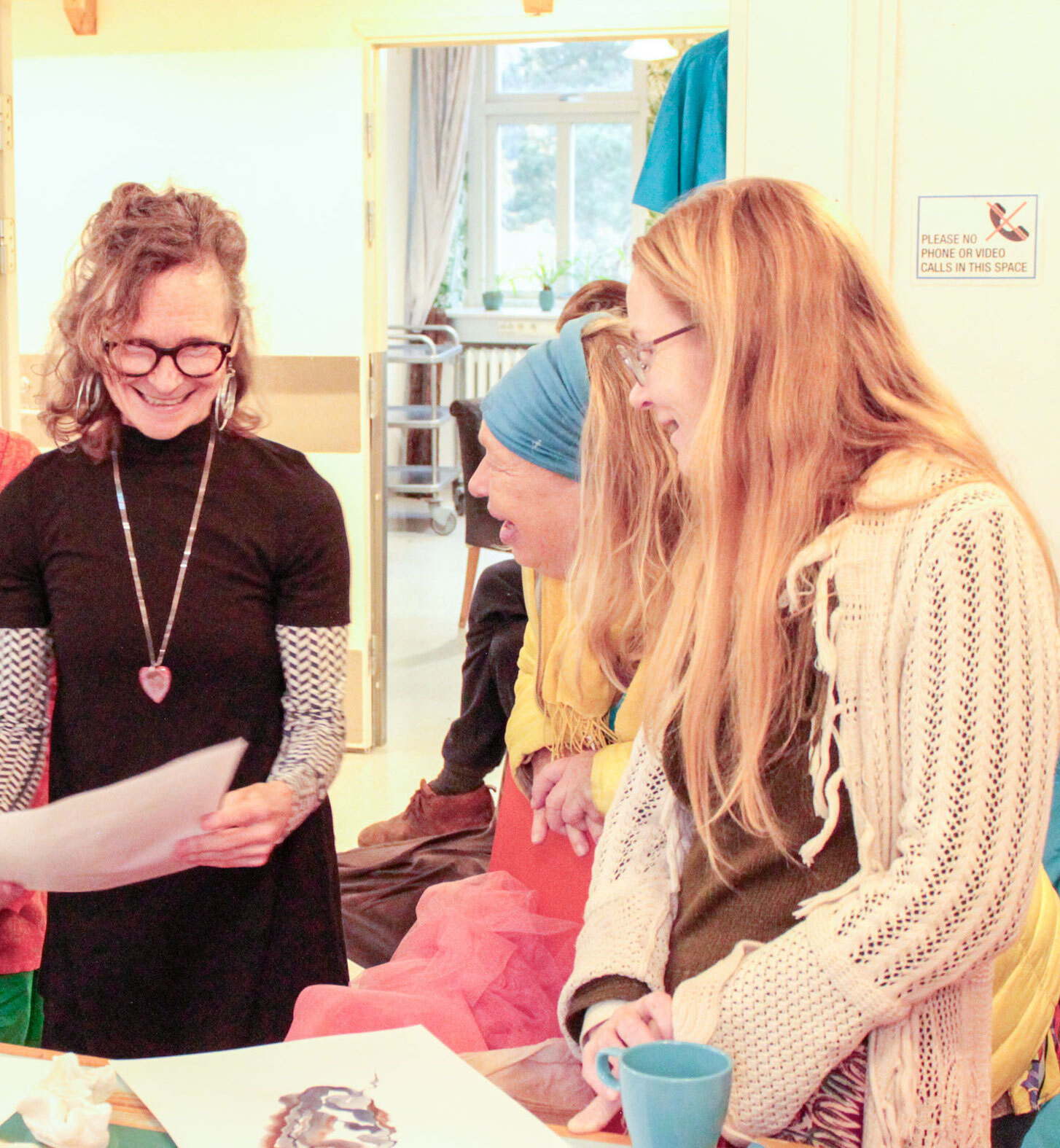
As Hub Feenix grew, it became clear that a traditional top-down or purely democratic structure didn’t fully reflect the kind of community we were trying to build. Instead, sociocracy offered a path that felt more aligned with how we envisioned Hub Feenix evolving over time.
For us, sociocracy is about creating healthier ways of living and working together. It encourages listening, participation, shared responsibility, and the idea that the people closest to a task, challenge, or area often hold valuable insight into how it should develop. At Hub Feenix, the goal is for people to feel heard, respected, and able to contribute meaningfully to the spaces and processes they are part of.
Like any system, sociocracy is not perfect. Shared decision-making can sometimes be slower, and giving people the ability to raise objections or concerns naturally creates more discussion. But for us, ensuring everyone is heard creates a stronger sense of collective responsibility over time.
Hub Feenix is connected to wider networks of intentional and regenerative communities, including GEN Europe, and engages with established models like Les Pas Sages. These influences help inform how the community continues to evolve, while still allowing Hub Feenix to develop its own culture and way of functioning over time.
Whether you’re simply curious, looking for a place to stay longer, or interested in deeper community involvement over time, every relationship with Hub Feenix begins the same way - by entering the shared life of the space itself.
To see why we don't just use democracy, since it seems to work well enough, we need to step back a bit and unpack what that means. And by we, we don't just mean the Feenix community here, but most GEN Europe communities and all that follow Les Pas Sage.
The main reason here is that democracy does not really work that well, we just all got used to it. Got used to not really having a great amount of say, to not being asked, accepting that even things that affect us deeply are decided for us. Play along with the makebelieve that voting for almost strangers once every x years is all we can ask for, since it is after all better than tyranny or monarchy. As Churchill said, democracy is the worst form of governance, apart from all the others that were tried before.
Democracy is usually used as a blanket term for current Western governance systems that include much more than just how to vote, ie social equality, majority rule, minority rights, freedom and integrity. But since we are a small community, we just want to concentrate on how to make decision, and thus need to look at problems of majority rule.
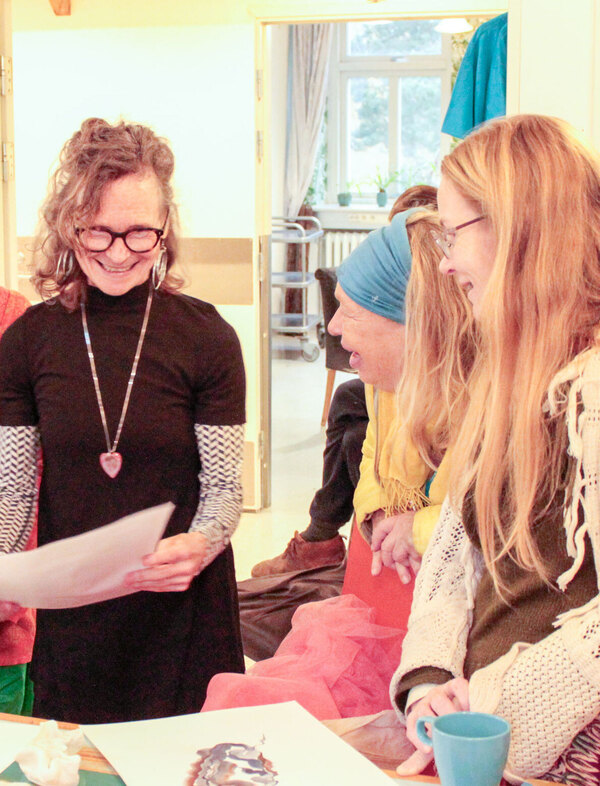
In democratic majority rule, decisions can be made with almost half of the voters being against. That is of course extreme and unlikely to happen regularly, but some percentage of opposition is almost baked into the system.
With changing topics (and alliances) that means almost everyone sometimes ends up being outvoted. Outvoted, this rule of the majority, means that the individual(s) who were against, are forced to accept the decision of the majority. In stronger words they are coerced, with the "excuse" that it's everyones turn sometimes.
Since being coerced, and especially regularly, is not great, some resistance builds up. In a larger setting this results in disconnect, but in a small community it leads to conflict. Brooding, seething discontent coming out as misplaced anger and/or negativity. This is the main reason people have long ago started to develop alternatives like sociocracy.
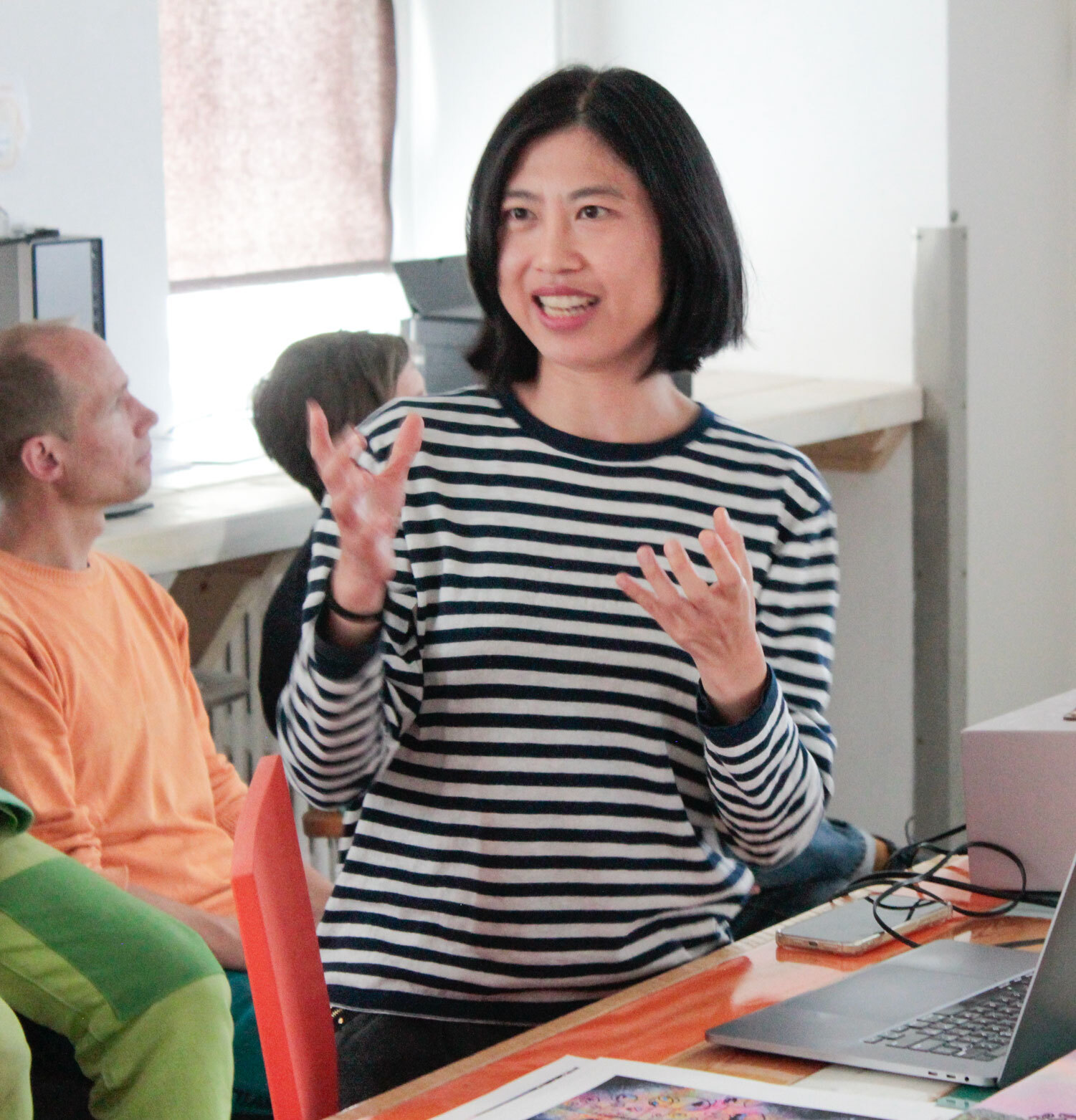
Sociocracy removes the problem by turning the question around and actually listening to the answer.
Instead of asking who is for a proposal, in sociocracy it is asked who is against. This immediately turns people who were neutral from being against, to being for. And it puts a higher threshold on saying nay, as it is clear that it is not about opinions, but factual problems with the proposal.
For the second step, listening to opposition, we start by acknowledging that everyone is equal, everyone has a working brain and valid perception, and we all (in the group) have a common goal of what is best. This makes it almost essential to listen to any problems, so we can avoid them before they happen.
Good, factual opposition should in this way result in new and improved proposals (sometimes compromises) that everyone can accept without issues.
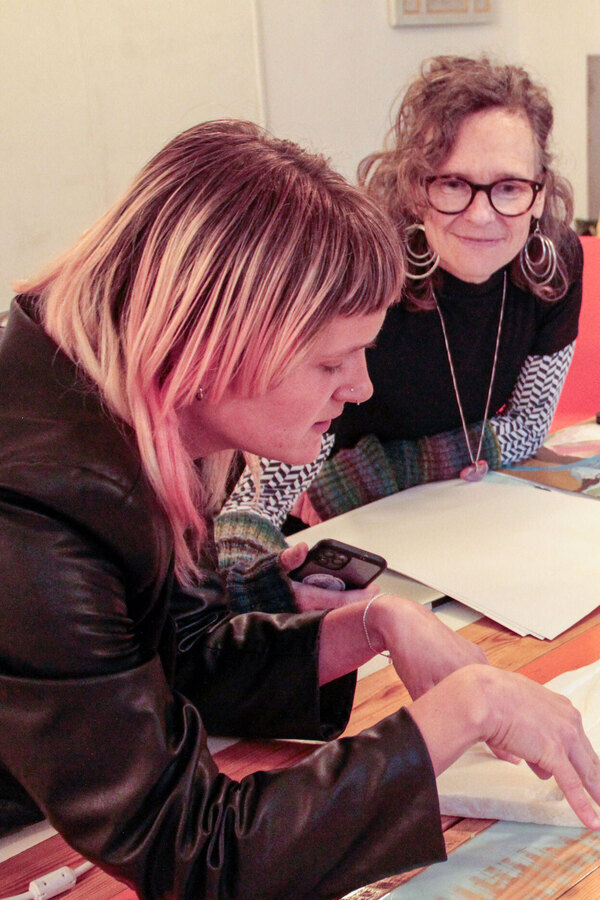
Of course sociocracy has problems too, and it is good to be aware of them, to possibly counteract them.
One of the biggest issues we though we would have is with naysayers. Since anyone can stop any decision, we thought this might be a problem. But it has not turned out to be a problem, probably because the process makes everyone more responsible. But also it is important to regulate who is on the table. We have updated our on-boarding to include a trial period, and added mandatory financial investment to alleviate this problem.
Another perceived and real problem is time. It is slower to make group decisions, and even more so with consent. But the consent (pun intended) is that it is worth it.